
Affirming Behavioral Consulting
Support that starts with understanding, not with changing who someone is.
The goal is not to make someone appear more typical or simply more compliant. The goal is greater autonomy, communication, participation, independence, and quality of life.
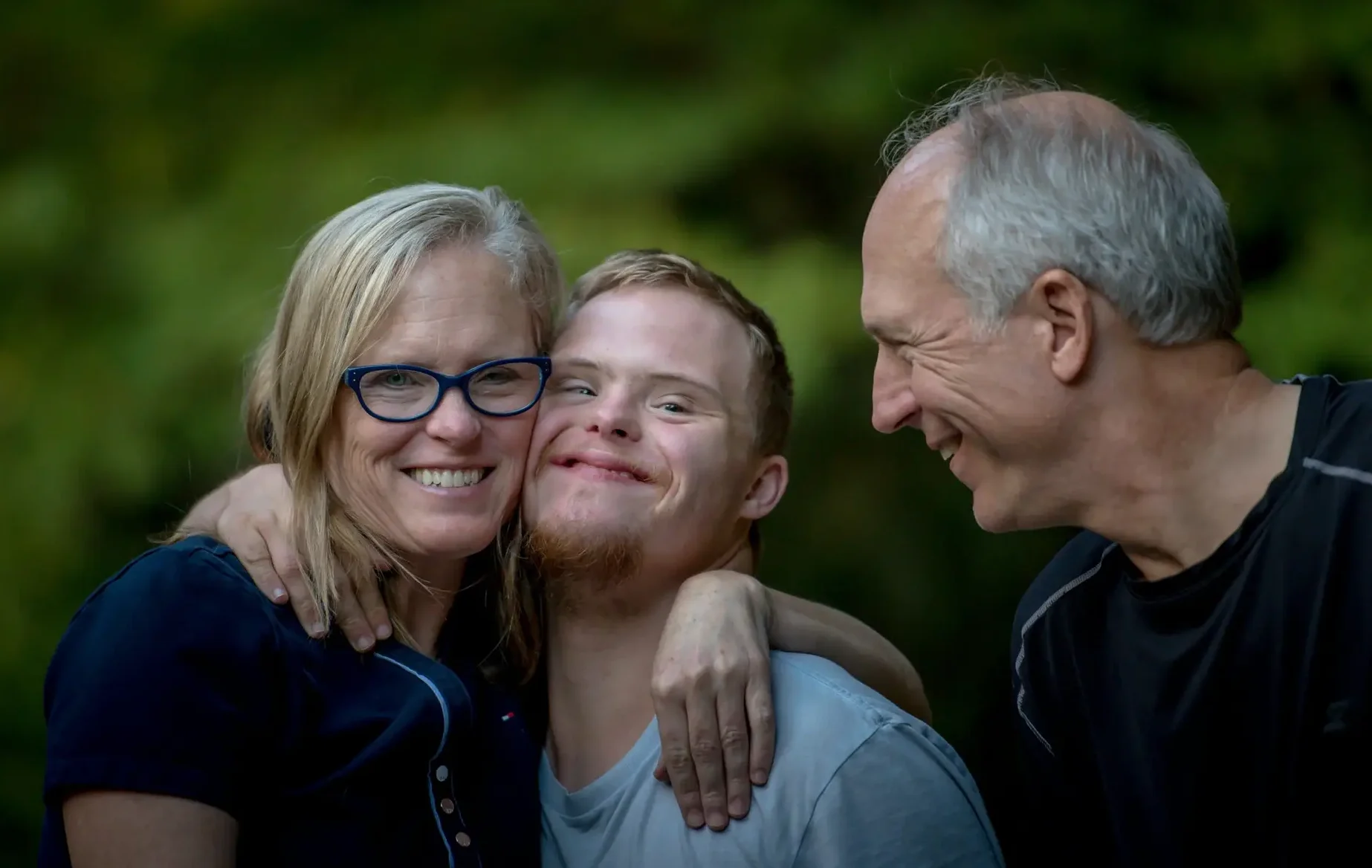
HopeWay’s Affirming Behavioral Consulting helps individuals, families, caregivers, and support teams better understand what is happening when someone is experiencing distress, communicating in ways others may not recognize, or having difficulty navigating a particular environment.
We look beyond the behavior itself.
We consider how a person communicates needs, preferences, and distress. We consider sensory experiences, environmental demands, relationships, routines, expectations, previous experiences with support, and the skills available to the individual.
Sometimes the most useful change is teaching a new skill.
Sometimes it is changing the environment.
Sometimes it is helping a support team recognize what a person has been communicating all along.
Often, it is a combination.
Our work is individualized to the person—not built around a one-size-fits-all approach.
What Shapes Our Practice
Our approach is built on core principles that guide how we work with each individual, their families, and their support teams.

Neurodiversity-affirming
Trauma-informed
Autonomy
Dignity of risk
Shared responsibility for the environment
Relationship-centered
Accountable
Strengths-based practice
How we work
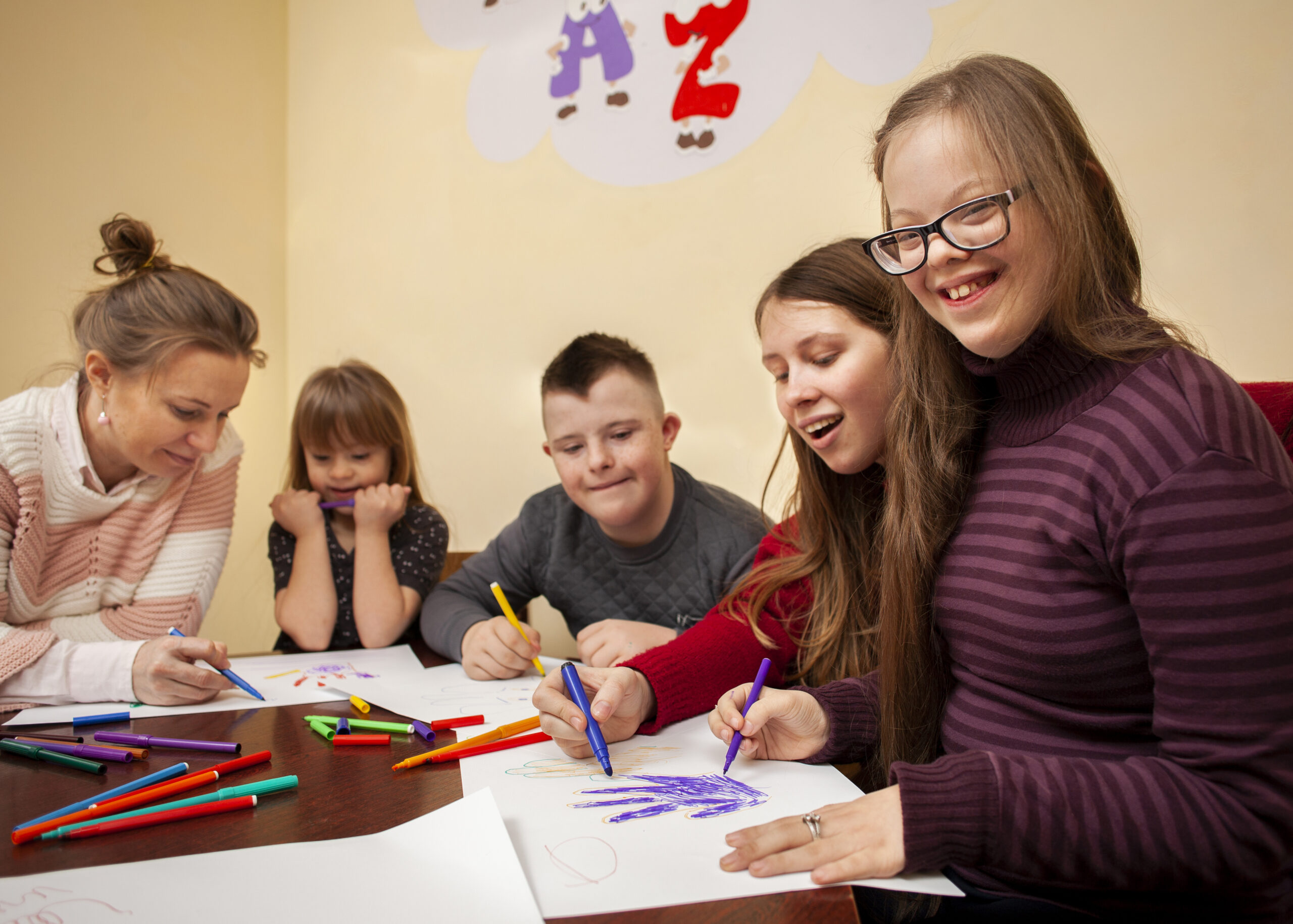
Understand
Collaborate
Design support
Equip the team
Adapt
Who We Support
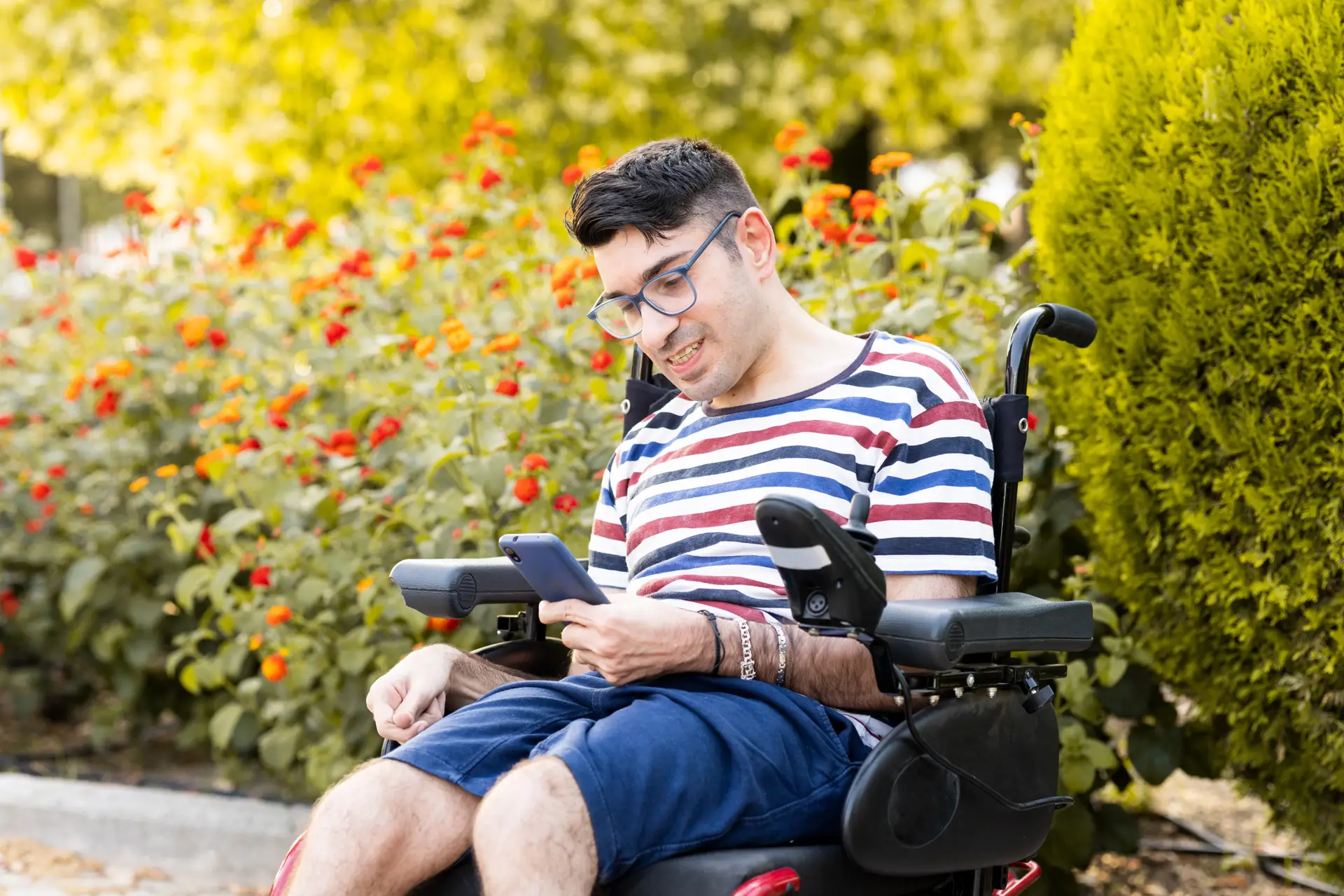
People with intellectual and developmental disabilities Neurodivergent adults People with acquired brain injuries People experiencing behavioral, emotional, communication, or regulation challenges Individuals who need support developing greater independence and self advocacy. We also work directly with families, caregivers, direct support professionals, educators, providers, and other members of an individual’s support team.
People and teams may reach out when:
A person’s communication is not being recognized or understood
Distress is frequent or builds quickly
Transitions or changes in routine are consistently difficult
A setting is more overwhelming than it needs to be
Someone wants more say in their own life
Environmental expectations do not align with a person’s needs
A support team is doing its best but still feels stuck
Previous behavioral supports have not produced meaningful improvement
A setting is more overwhelming than it needs to be
Someone wants more say in their own life
Environmental expectations do not align with a person’s needs
A support team is doing its best but still feels stuck
Previous supports haven’t led to meaningful change.
A person needs support developing communication, regulation, coping, or independence skills
What we might work on
Services are individualized to the person and their goals. Areas of support may include:
Communication And Self-advocacy.
- Identifying and communicating needs.
- Expressing preferences and boundaries.
- Developing communication pathways that work for the person.
Regulation And Body Awareness.
- Recognizing early signs of distress.
- Understanding energy and arousal states.
- Finding regulation strategies that actually help.
Skills And Independence.
- Practical everyday skills.
- Breaking complex tasks into manageable steps.
- More opportunities to make decisions and support carrying skills across settings.
Environment.
- Identifying sensory and environmental barriers.
- Adjusting routines, expectations, and surroundings.
- Building predictable, accessible settings.
Team Coaching & Consultation.
- Helping caregivers and staff understand behavior as communication
- Consistency across a team
- Practicing supportive responses and building on strengths
Support May Include
Areas of Focus
Services are individualized to the person and their goals. Areas of support may include:
Communication and self-advocacy.
- Identifying and communicating needs.
- Expressing preferences and boundaries.
- Developing communication pathways that work for the person.
Regulation and body awareness.
- Recognizing early signs of distress.
- Understanding energy and arousal states.
- Finding regulation strategies that actually help.
Skills and independence.
- Practical everyday skills.
- Breaking complex tasks into manageable steps.
- More opportunities to make decisions and support carrying skills across settings.
Environment.
- Identifying sensory and environmental barriers.
- Adjusting routines, expectations, and surroundings.
- Building predictable, accessible settings.
Team Coaching & Consultation.
- Helping caregivers and staff understand behavior as communication
- Consistency across a team
- Practicing supportive responses and building on strengths
Support May Include
Progress means their life is working better
A reduction in behavior is not a meaningful outcome. If someone has simply learned that their needs will not be heard, that is not success.
Success looks different for every person. It might be recognizing “I am getting overwhelmed” before reaching a crisis point. Asking for a break. Telling a caregiver a preference directly. Joining something that used to feel out of reach. Fewer conflicts because the people nearby finally understand what is being communicated. A new skill that opens up more independence. Sometimes it is the people and the environment around someone changing instead.
We ask whether the person has more autonomy, more effective communication, more meaningful participation, and better access to the life they want.